
- Quick Answer:
- What Is a Grounding Sheet?
- How Do Grounding Sheets Work While You Sleep?
- Do Grounding Sheets Really Help You Sleep?
- Our Grounding Sheet Body-Voltage Test
- How to Use a Grounding Sheet for Sleep
- Are Grounding Sheets Safe to Sleep On?
Quick Answer:
Grounding sheets are conductive bed sheets designed to connect your body to the Earth through the ground port of a properly wired outlet or an outdoor grounding rod. Some small studies and users report improvements in sleep quality, stress and nighttime discomfort, but the evidence is not yet strong enough to prove that grounding sheets improve sleep. They may be worth trying as a low-effort addition to a healthy sleep routine, provided the outlet and sheet are tested and used correctly.
What Is a Grounding Sheet?
A grounding sheet, also called an earthing sheet or grounding bedsheet is a conductive bed covering designed to connect your body to the Earth while you sleep. It looks and feels similar to an ordinary bedsheet, but contains conductive fibers that create a connection between your skin and a grounded source.

These conductive fibers are typically made from silver or carbon and woven into a base fabric such as cotton or bamboo. Silver is commonly used because it conducts electricity while remaining thin and flexible enough to be incorporated into soft bedding.
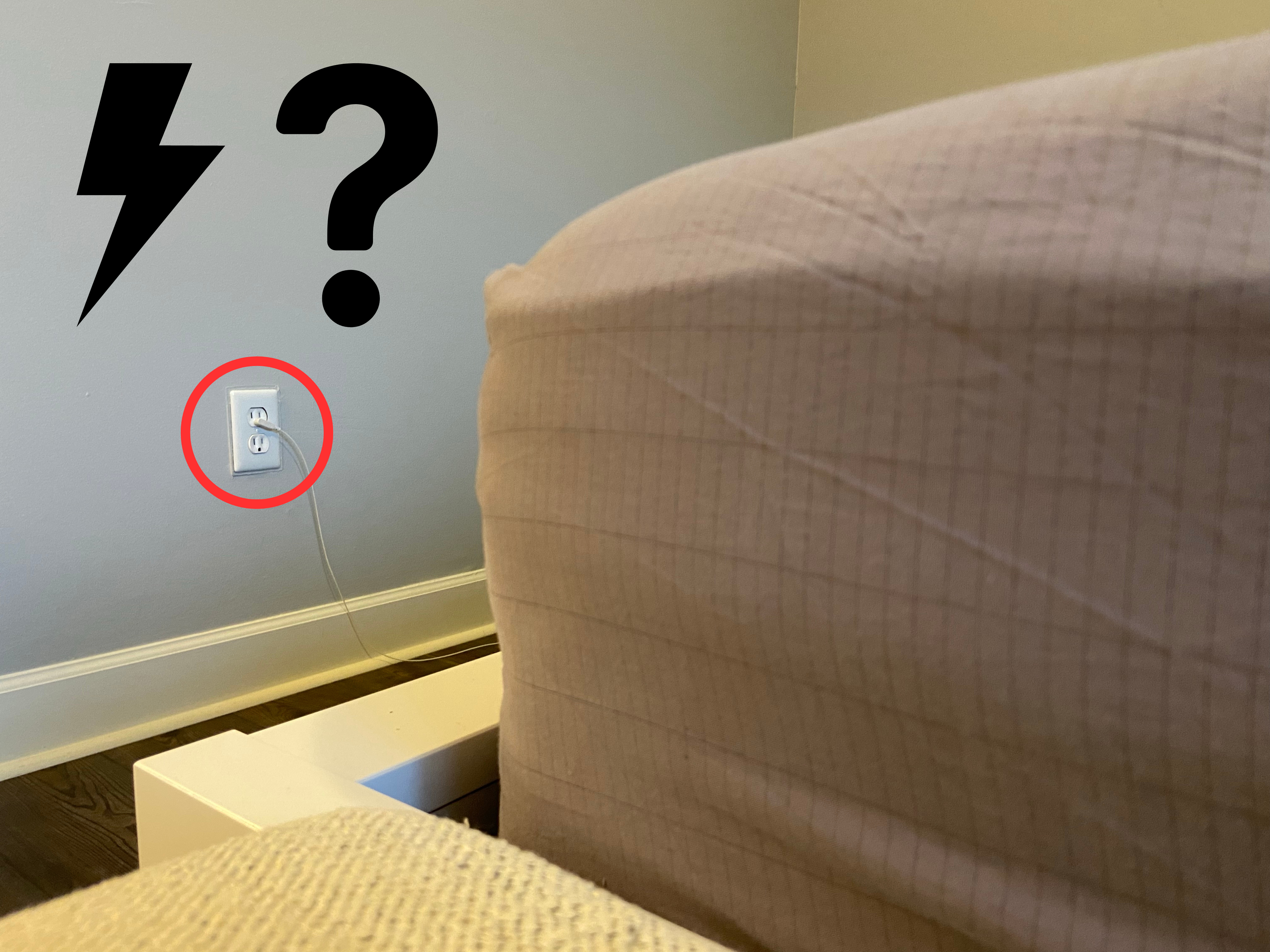
A connection cord attaches the sheet to the round ground port of a properly wired electrical outlet or, in some setups, to an outdoor grounding rod. The cord connects only to the outlet’s ground port—not the two powered slots.
A grounding sheet does not generate electricity, draw electrical power or “send electricity” into your body. Instead, it provides a conductive path between your body and the Earth’s existing electrical ground.
Grounding products for sleep are available in several forms:
- Fitted grounding sheets cover the mattress like a traditional fitted sheet and provide a large contact area.
- Half sheets cover only part of the bed, typically where the legs or torso rest.
- Grounding mattress covers sit directly over the mattress and provide a broad conductive surface.
- Grounding mats are smaller, firmer surfaces that can be used under the feet, at a desk or on part of the bed.
Regardless of the style, the product must be properly connected to a verified ground source, and your skin must make a conductive connection with its surface for grounding to occur.
How Do Grounding Sheets Work While You Sleep?
Grounding sheets are designed to create a conductive pathway between your body and the Earth while you sleep. They do this through conductive fibers in the sheet, a connection cord and a properly grounded outlet or outdoor grounding rod.
How the Ground Connection Reaches Your Body
A grounding sheet creates a continuous conductive pathway from the Earth to your body while your skin remains in contact with the sheet.
Provides the electrical ground connection.
Carries the connection from the ground source.
Silver or carbon creates a conductive surface.
Bare skin makes contact with the conductive fabric.
Your body becomes connected to the ground source.
Important distinction: Testing can confirm that this conductive pathway is functioning. It cannot prove that the connection improves sleep or produces a specific health benefit.
Here is what happens at each step:
- The Earth provides the ground reference.
In electrical terms, grounding means connecting an object to the Earth, which acts as a common electrical reference point. - A grounding cord carries the connection to your bed.
The cord connects the sheet to the round ground port of a properly wired outlet or directly to an outdoor grounding rod. It does not connect to the outlet’s powered slots. - Silver or carbon fibers make the sheet conductive.
Ordinary bedding materials such as cotton and bamboo are poor electrical conductors. Grounding sheets contain fine silver threads or carbon-based materials that create a conductive network across the fabric. - Your skin completes the connection.
When your bare skin touches the conductive surface, your body becomes electrically connected to the same ground source. Direct skin contact provides the most reliable connection. - Your body’s electrical potential moves closer to ground potential.
This change can be demonstrated under appropriate conditions with a multimeter by comparing body-voltage readings before and during contact with the connected sheet.
Why the Connection Must Actually Reach the Earth
A conductive sheet cannot ground you by itself. The pathway must ultimately connect to the Earth through a properly grounded outlet or an outdoor grounding rod.
If an outlet has an open ground, the cord is disconnected or the conductive fibers are damaged, the pathway is incomplete. The sheet may still look and feel completely normal, but it will not provide the intended grounding connection.
This is why a three-prong outlet should not automatically be assumed to be properly grounded. An outlet tester can help confirm that the ground connection is present before the sheet is used.
Conductivity Is Not the Same as a Health Benefit
It is important to separate two very different questions:
- Is the sheet electrically conductive and properly connected?
- Does sleeping on it produce a meaningful health or sleep benefit?
The first question can be physically tested. An outlet tester can check the outlet, a conductivity tester can check the sheet and a multimeter can measure whether contact changes your body-voltage reading.
The second question requires high-quality clinical research. A measurable electrical connection does not, by itself, prove that a grounding sheet will help someone fall asleep faster, sleep more deeply or wake up feeling more rested.
In simple terms:
A conductivity test can show that the grounding setup is functioning. It cannot prove that the setup improves sleep.
Some preliminary studies and individual users report sleep-related improvements, but the scientific evidence remains limited. Maintaining this distinction allows grounding sheets to be evaluated honestly: their electrical function can be demonstrated, while their potential effects on sleep still require stronger and more independent research.
Do Grounding Sheets Really Help You Sleep?
Grounding sheets may help some people sleep better, but the evidence is not yet strong enough to conclude that they reliably improve sleep. Small studies have reported changes in subjective sleep quality, insomnia symptoms, stress and nighttime cortisol patterns, while many users describe personal benefits. However, larger and more independent trials are still needed.
What Grounding Sheet Users Report
People who sleep on grounding sheets commonly report:
- Falling asleep more easily
- Waking up less frequently during the night
- Feeling calmer or more relaxed at bedtime
- Experiencing less nighttime discomfort
- Feeling more rested in the morning
- Noticing improved recovery after exercise
These experiences help explain why grounding sheets have become popular, but personal reports cannot establish whether the sheet itself caused the improvement. Sleep is influenced by stress, expectations, caffeine, alcohol, exercise, room temperature and many other factors.
Some users also report no noticeable change at all. Both experiences are important when evaluating whether grounding sheets work.
What Research Has Measured
Researchers have investigated several outcomes that may be related to sleep, including:
- Subjective sleep quality
- Insomnia severity
- Daytime sleepiness
- Stress levels
- Nighttime cortisol patterns
- Pain and physical discomfort
A small 2004 pilot study reported changes in nighttime cortisol patterns and improvements in certain subjective symptoms after participants slept grounded. A 2025 randomized, double-blind, placebo-controlled study of earthing mats reported improvements in insomnia severity, stress and daytime sleepiness.
These findings provide a reason for further research, but they do not prove that every grounding sheet will improve sleep. The existing studies are limited by factors such as small sample sizes, reliance on self-reported outcomes and limited independent replication. Research involving earthing mats also does not automatically establish that every fitted grounding sheet will produce the same result.
Why Some People May Notice No Difference
Grounding sheets are not guaranteed to affect sleep. Someone may notice little or no difference because:
- Grounding may not meaningfully affect that person’s sleep.
- The outlet may not have a functioning ground connection.
- The sheet, cord or connector may not be conductive.
- Thick clothing or bedding may prevent reliable contact.
- Expectations may influence how changes are perceived.
- An underlying sleep problem may require a different solution.
- Normal night-to-night variations may hide or exaggerate an effect.
This is why the electrical setup and the sleep outcome should be evaluated separately. Testing can confirm whether the outlet, cord and sheet form a conductive pathway. It cannot confirm that the pathway will improve sleep.
Our Verdict
Grounding sheets are an interesting sleep accessory with encouraging preliminary research and a large number of positive user experiences. However, they are not a proven treatment for insomnia, and results should not be presented as guaranteed.
For someone who is curious, has a properly grounded setup and understands the limitations of the evidence, a grounding sheet may be worth testing as part of an otherwise healthy sleep routine. The best approach is to use it consistently, track sleep for several weeks and judge the results based on meaningful patterns—not one unusually good or bad night.
A grounding sheet should complement established sleep habits, not replace medical evaluation or treatment for persistent insomnia, sleep apnea or another sleep disorder.
What the Scientific Research Shows
Research into grounding and sleep has produced some encouraging results, but the existing evidence is still limited. Here is what several frequently cited studies and reviews found—and the limitations to keep in mind.
| Research | Participants / Design | What Was Measured | Finding | Important Limitation |
|---|---|---|---|---|
| Ghaly & Teplitz, 2004 Pilot study | Small pilot study | Nighttime cortisol and subjective symptoms | Reported changes in cortisol patterns and sleep-related symptoms | Small sample; the results require independent replication |
| Earthing research review, 2012 Narrative review | Narrative review of existing research | Multiple proposed physiological and wellness effects | Described possible effects related to sleep and general well-being | This was not a large, independent clinical trial |
| Park et al., 2025 Controlled trial | Randomized, double-blind, placebo-controlled study | Insomnia severity, stress and daytime sleepiness | Reported improvements in several measured outcomes | The study tested earthing mats, and one trial cannot establish effectiveness on its own |
| Broader research reviews Evidence reviews | Reviews of the existing scientific literature | Sleep, inflammation and other proposed outcomes | Some findings have been characterized as promising | The evidence includes small studies and methodological concerns |
View the research: Ghaly & Teplitz study · Park et al. randomized trial
Our Grounding Sheet Body-Voltage Test
To see whether our grounding sheet created a measurable electrical connection, we performed a body-voltage test in our old apartment. We compared the voltage measured before touching the connected sheet with the voltage measured while maintaining direct skin contact with it.
Our Test Setup
Before performing the body-voltage test, we checked the outlet to confirm that it had a functioning ground connection. We then connected the grounding sheet according to its instructions and took readings under the same general conditions.
Our Results
| Test condition | Body-voltage reading |
|---|---|
| Before touching the grounding sheet | 1.449 V |
| While touching the connected sheet | 0.016 V |
| Measured reduction | Approximately 98.9% |
Before making contact with the sheet, the multimeter displayed approximately 1.449 volts. While touching the properly connected grounding sheet, the reading fell to approximately 0.016 volts.
That represents a measured reduction of approximately 98.9% under our testing conditions.
Before and During Grounding
We compared our measured body voltage before touching the grounding sheet with the reading taken while maintaining contact with the connected sheet.

Measured before touching the connected grounding sheet.

Measured while touching the connected grounding sheet.
What This Test Demonstrates
The large change in our reading indicates that the sheet, grounding cord and grounded outlet created a functioning conductive pathway under the conditions of this test. In other words, the electrical grounding setup produced a measurable change when direct contact was made with the sheet.
However, it is important to distinguish electrical function from a health outcome:
A reduced body-voltage reading demonstrates that the grounding connection is functioning under those testing conditions. It does not prove that the sheet improves sleep or produces a medical benefit.
This was an informal demonstration in one apartment—not a controlled clinical experiment. Body-voltage readings can vary depending on the electrical environment, nearby devices, meter configuration, grounding source, contact quality and other testing conditions.
Our result demonstrates that this particular grounding setup produced a measurable electrical change. Whether sleeping grounded results in better sleep, less discomfort or another meaningful outcome is a separate question that requires appropriate clinical research and personal evaluation.
How to Use a Grounding Sheet for Sleep
Using a grounding sheet is relatively simple, but the outlet, cord and sheet must form a complete conductive pathway for the setup to work. Follow the manufacturer’s instructions for your specific product, and test each part of the connection rather than assuming it is functioning.
1. Test the Electrical Outlet
Before connecting the sheet, use an outlet tester to confirm that the outlet is wired correctly and has a functioning ground connection.
Insert the tester into the outlet and compare its indicator lights with the diagram printed on the tester. If it displays an open ground, reversed wiring or another fault, do not connect the grounding sheet to that outlet.
A three-prong outlet is not automatically grounded simply because it has a round ground port. If you are uncertain about the test result or the condition of the outlet, ask a qualified electrician to inspect it.

We use an outlet tester to verify the ground connection before connecting a grounding sheet.
2. Place the Grounding Sheet on the Mattress
Place a fitted grounding sheet on the mattress just as you would install a conventional fitted sheet. Make sure the conductive surface faces upward and that the cord connector remains accessible.

Pull each corner securely around the mattress without placing unnecessary tension on the connector. If you are using a half sheet, mat or mattress cover, position it according to the manufacturer’s instructions.
3. Attach the Grounding Cord to the Sheet
Locate the sheet’s connection point, which is commonly a metal snap or similar connector near one edge. Press the grounding cord firmly into place and confirm that the connection is secure.
Avoid pulling, twisting or sharply bending the cord near the connector. Repeated stress in this area can damage the cord or weaken its connection to the sheet.

4. Connect the Cord to the Ground Port
Insert the grounding end of the cord into the round ground port of the verified outlet. A properly designed grounding cord connects only to the ground port—not the two powered slots.
The sheet does not require electrical power and should not draw electricity from the outlet. The cord’s purpose is to connect the conductive fibers in the sheet to the building’s grounding system.

5. Confirm That the Sheet Is Conductive
Use the conductivity tester recommended for your sheet to confirm that the cord and conductive fabric are connected.
Follow the tester’s instructions carefully. Depending on the product, this may involve touching a testing pen or probe to several areas of the fabric. Test more than one location to make sure the conductive surface is functioning consistently.
Remember that the outlet tester and sheet tester perform different jobs:
- An outlet tester checks whether the outlet is correctly wired and grounded.
- A conductivity tester checks whether the sheet and its connection can conduct.
- A multimeter test can demonstrate whether your measured body voltage changes while touching the connected sheet.

6. Maintain Direct Skin Contact While Sleeping
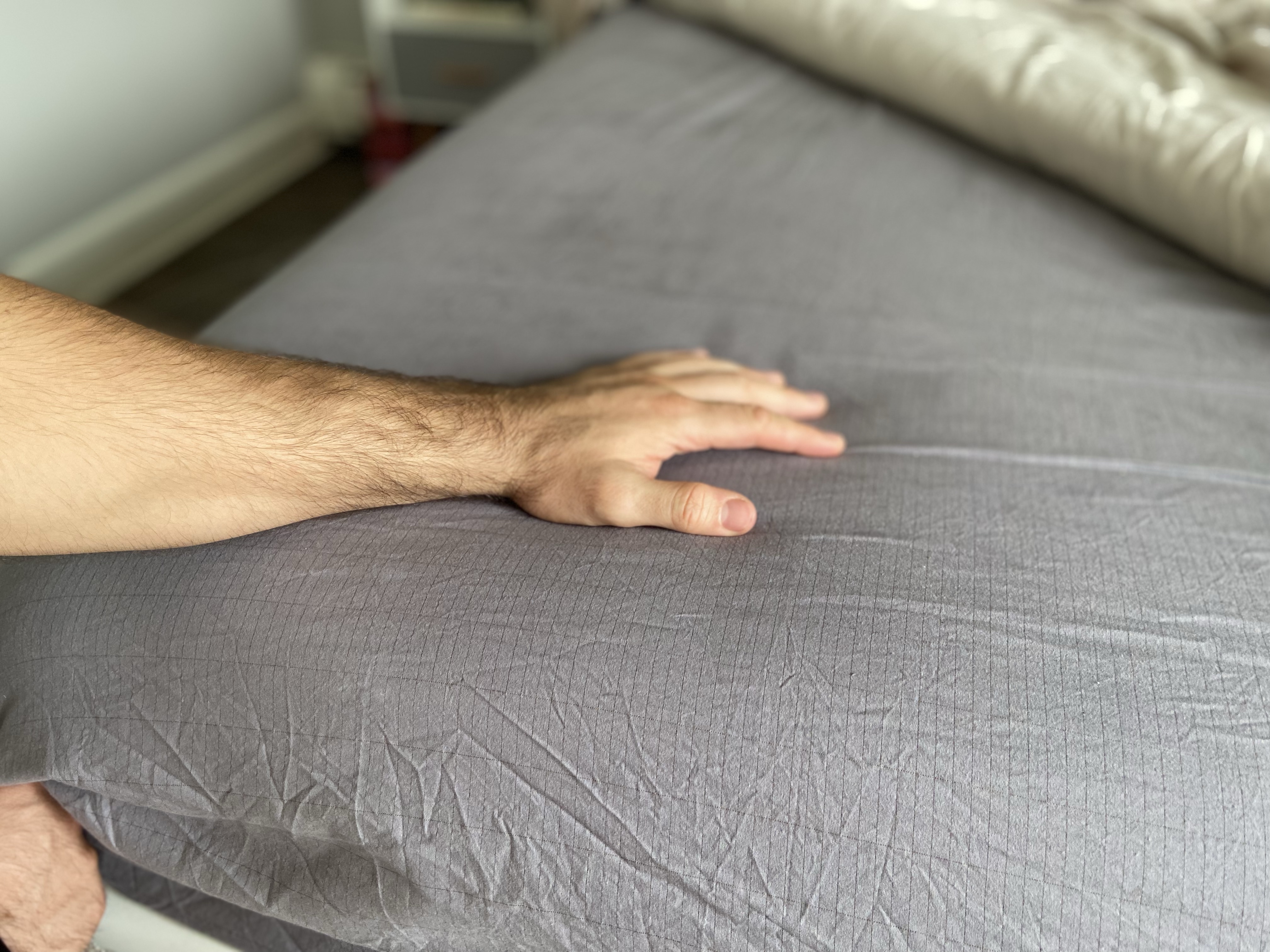
Direct skin contact provides the most reliable conductive connection. Your feet, legs, arms or another area of bare skin can remain in contact with the sheet while you sleep.
Thick pajamas, blankets and mattress protectors may reduce or interrupt conductivity. Thin fabrics may conduct under certain conditions, but this should be tested instead of assumed.
Once the setup is connected and tested, use the sheet as part of your normal sleep routine. Periodically inspect the cord and retest the outlet and sheet, especially after moving the product, changing outlets or washing the sheet.
Are Grounding Sheets Safe to Sleep On?
Grounding sheets are generally considered low risk when they are properly made, connected to a verified ground source and used according to the manufacturer’s instructions. However, independent safety research is limited, and safe use depends on the condition of the outlet, cord, connector and sheet.
A grounding sheet should never be connected casually to an outlet that has not been tested.
Test the Outlet Before Connecting the Sheet
Use an outlet tester to verify that the outlet is correctly wired and has a functioning ground connection. Do not assume that an outlet is properly grounded simply because it has three openings.
An open ground, reversed wiring or another fault should be addressed before the sheet is used. If the tester indicates a problem—or if you do not understand the result—disconnect the product and consult a qualified electrician.
Use the Correct Grounding Cord
Only use a purpose-built cord that is designed for your grounding sheet. Do not substitute an ordinary electrical cable, homemade adapter or damaged replacement cord.
The grounding cord should connect only to the outlet’s ground port and should be compatible with the sheet’s connector. Follow the product manufacturer’s instructions rather than combining components from different systems unless their compatibility has been confirmed.
Inspect the Sheet, Cord and Connector
Periodically inspect the complete setup for:
- Fraying or cuts in the cord
- Bent, loose or discolored connectors
- Damage around the sheet’s connection point
- Exposed internal components
- Signs of heat or melting
- A connection that repeatedly comes loose
Disconnect the sheet if any component appears damaged. Contact the manufacturer for an approved replacement instead of attempting an improvised repair.
Follow Thunderstorm Instructions
Follow the thunderstorm and severe-weather instructions supplied with your product. Some manufacturers recommend disconnecting indoor grounding products during thunderstorms as a precaution.
If the instructions are missing or unclear, disconnecting the grounding cord during a thunderstorm is the conservative option.
Disconnect the Sheet if Anything Feels Abnormal
A grounding sheet should not feel hot, painful or as though it is delivering an electrical shock. Disconnect it immediately if you experience:
- Heat around the cord or connector
- A painful or persistent electrical sensation
- Sparking, buzzing or a burning smell
- Visible damage to the sheet or cord
- Any other unexpected electrical behavior
Do not treat these warning signs as evidence that the product is “working.”
What About Reported “Detox Symptoms”?
Some grounding-product sellers and users describe headaches, fatigue, tingling or other symptoms as a temporary “detox” response. These symptoms should not automatically be interpreted as detoxification.
There is not strong clinical evidence establishing a grounding-sheet detox response. Headaches, fatigue and sleep changes can have many possible causes. If symptoms appear after connecting the sheet, disconnect it and consider other explanations rather than assuming they are beneficial or necessary.
Persistent, severe or concerning symptoms should be discussed with a qualified healthcare professional.
Implanted Electronic Medical Devices
People with pacemakers, insulin pumps, continuous glucose monitors or other implanted or body-worn electronic medical devices should consult the device manufacturer or an appropriate healthcare professional before using a grounding product.
This does not establish that grounding sheets interfere with these devices. It is a sensible precaution because device designs, manufacturer instructions and individual medical circumstances vary.
Grounding Sheets Are Not a Treatment for Sleep Disorders
A grounding sheet should not replace medical evaluation or established care for persistent insomnia, sleep apnea or another sleep disorder.
Seek professional evaluation if you regularly experience symptoms such as:
- Loud snoring, gasping or interrupted breathing
- Severe daytime sleepiness
- Insomnia that persists or affects daily functioning
- Morning headaches
- Restless or painful legs
- Frequent nighttime awakenings with no clear explanation
A grounding sheet may be tested as a wellness accessory, but it should not delay identifying or treating an underlying sleep problem.
Safety Takeaway
To use a grounding sheet as safely as possible:
- Verify the outlet before use.
- Use the correct purpose-built cord.
- Follow the manufacturer’s setup instructions.
- Inspect the components regularly.
- Disconnect the sheet during thunderstorms when instructed.
- Stop using it if anything feels electrically abnormal.
- Seek appropriate medical or electrical guidance when necessary.
Safe setup begins with confirming the ground connection—not simply plugging the sheet into the nearest three-prong outlet.
Grounding Sheets for Sleep: FAQs
Here are straightforward answers to the most common questions about sleeping on a grounding sheet.
Do grounding sheets really help you sleep?
Some small studies and individual users report improvements in sleep, stress or nighttime discomfort. However, the current research is not strong enough to prove that grounding sheets reliably improve sleep. Results vary, and some people may notice no meaningful difference.
What are the potential benefits of sleeping on a grounding sheet?
Reported benefits include feeling calmer at bedtime, falling asleep more easily, waking less frequently and experiencing less morning discomfort. These outcomes are based largely on preliminary research and personal reports, so they should be viewed as possibilities rather than guaranteed health benefits.
How does a grounding sheet work?
A grounding sheet contains conductive fibers, usually silver or carbon, connected to the ground port of a properly wired outlet or to an outdoor grounding rod. This creates a conductive path between your body and the Earth when your skin touches the sheet.
Do grounding sheets use electricity?
No. A properly designed grounding sheet does not generate electricity or draw power from the outlet. Its cord connects only to the outlet’s ground port—not the two powered slots—to provide a connection to the building’s grounding system.
Do grounding sheets require direct skin contact?
Direct skin contact is the most reliable way to maintain a conductive connection. Thin or slightly moist fabric may sometimes conduct, but thick pajamas, blankets and mattress protectors can reduce or interrupt contact. If you place another sheet over the grounding sheet, test the setup instead of assuming it works.
Can you sleep on a grounding sheet every night?
Grounding sheets are generally designed for nightly use when the product is undamaged, the outlet is properly grounded and the manufacturer’s instructions are followed. Grounding should not replace medical evaluation or established treatment for persistent insomnia or another sleep disorder.
How long does it take for a grounding sheet to work?
There is no clinically established timeline. Some users report noticing subjective changes within a few nights, while others take longer or notice nothing at all. Testing the sheet’s electrical connection can be done immediately, but determining whether it affects your sleep may require several weeks of consistent tracking.
How can you tell whether a grounding sheet is working?
First, use an outlet tester to confirm that the outlet is properly grounded. Then use a conductivity tester to check the sheet and its connection. A multimeter can also measure whether your body voltage changes when you touch the connected sheet, although that measurement does not prove a health or sleep benefit.
Are grounding sheets safe to sleep on?
Grounding sheets are generally considered low risk when they are properly made, connected to a verified ground source and used according to the manufacturer’s directions. Test the outlet before use, inspect the cord regularly and disconnect the product if it becomes damaged or produces any unusual sensation.
Should you unplug a grounding sheet during a thunderstorm?
A conservative safety practice is to disconnect grounding products during thunderstorms, especially when the manufacturer recommends it. Follow the instructions supplied with your specific product and avoid using a damaged cord, adapter or unverified outlet.
Important: Grounding sheets are wellness products, not proven treatments for insomnia or other medical conditions. Speak with a qualified healthcare professional about persistent sleep problems or questions involving an implanted electronic medical device.


Leave a Reply