In the fast-paced rhythm of modern life, stress has become a familiar, yet unwelcome companion for many. Amidst the plethora of stress-reduction techniques, grounding, or earthing, stands out for its simplicity and connection to nature. This article delves into how grounding can help diminish stress levels and how you can incorporate this practice into your life, whether by connecting with the Earth outdoors or using grounding mats and sheets indoors.
The Science of Grounding and Stress Reduction
Grounding involves direct contact with the Earth’s surface, allowing your body to absorb negative electrons from the ground. This simple act is believed to have profound effects on the body’s physiological state, influencing stress levels in several ways:
- Neutralizing Free Radicals:
- The Earth’s surface is rich in free electrons, which are believed to neutralize free radicals in our bodies. Free radicals are associated with inflammation and stress, and neutralizing them can help reduce the body’s stress load.
- Balancing the Nervous System:
- Grounding can promote a shift from the sympathetic (fight or flight) to the parasympathetic (rest and digest) nervous system. This shift can lead to a calmer, more relaxed state, counteracting the effects of stress.
- Improving Sleep and Circadian Rhythms:
- Stress often disrupts sleep patterns and circadian rhythms. By grounding, you may help reset your body’s internal clock, leading to better sleep and reduced stress levels.
Grounding Outdoors: Direct Connection with the Earth
The most natural way to ground is to walk barefoot on natural surfaces like grass, soil, or sand. Gardening with bare hands or lying on the ground are also effective ways to connect with the Earth’s energy. Here’s how to make the most out of outdoor grounding:
- Regular Sessions:
- Aim for at least 30 minutes of grounding a day. The more time you spend grounded, the more benefits you’re likely to experience.
- Mindful Grounding:
- Combine grounding with mindfulness or meditation to enhance the stress-reducing effects. Pay attention to the sensations in your body and the connection with the Earth.
Grounding Indoors: Mats and Sheets as Alternatives
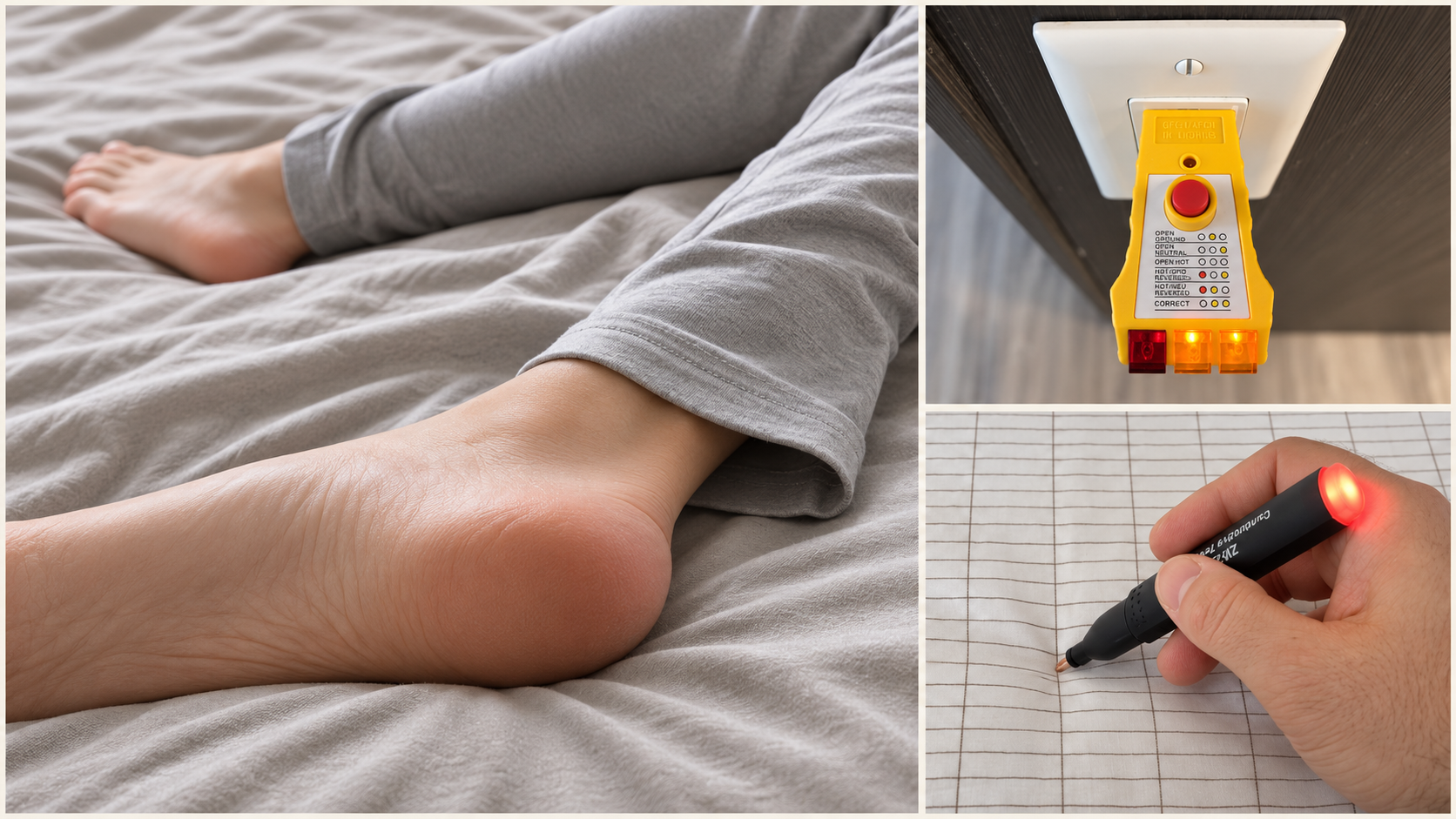
When outdoor grounding isn’t feasible, grounding mats and sheets provide a convenient alternative. These devices are embedded with conductive materials and connect to the Earth’s energy through a wire plugged into the grounding port of an electrical outlet.
- Grounding Mats:
- Place a grounding mat under your feet while working at a desk or under your keyboard and mouse. This allows for grounding even while you engage in daily activities indoors.
- Grounding Sheets:
- Using grounding sheets on your bed lets you reap the benefits of grounding while you sleep. This is especially beneficial as it works passively, requiring no extra time or effort from your busy schedule.
Conclusion
Grounding offers a natural and effective way to reduce stress levels, leveraging the Earth’s inherent healing energy. Whether you choose to connect directly with the Earth outdoors or utilize grounding mats and sheets indoors, this practice holds the potential to restore balance to your nervous system, reduce inflammation, and promote a sense of calm and well-being. In a world where stress is a constant presence, grounding stands out as a simple, yet profoundly effective, method to counteract life’s pressures and reconnect with the grounding force of nature.


Leave a Reply