
Quick Answer:
A grounding sheet is the better fit if you want a fabric surface across your mattress. A grounding mat is more practical for a desk, and a grounding bed mat can work if you want to keep your regular bedding. The main differences are coverage, feel, cleaning, and whether your setup gives you reliable contact.
| What to compare | Fitted grounding sheet | Desk grounding mat | Grounding bed mat |
|---|---|---|---|
| Best for | A fabric sleep surface across the mattress | Bare feet under a desk or forearms on a work surface | A dedicated bed setup that may let you keep your existing sheets |
| Contact area | Broad coverage, useful if you change positions at night | A small area you place your feet or arms on | Varies by model, from a strip to a mattress-size pad |
| Placement | Replaces your fitted sheet | Sits on the floor or desk | Goes above or below bedding, depending on the model |
| Feel | Similar to a fitted bedsheet, depending on fabric | Typically a firmer pad | Depends on the material and whether bedding covers it |
| Cleaning | Launder according to the care label | Many models wipe clean | Follow the pad’s care instructions |
| What to check | Mattress depth, fabric care, and where bare skin touches | Size, where your feet naturally rest, and whether you usually wear socks | Approved placement and whether the connection can be verified through your bedding |
Fitted Grounding Sheets: More Room for Skin Contact
A fitted grounding sheet replaces your regular fitted sheet and provides a conductive fabric surface across the mattress. Compared with a narrow grounding bed mat, it gives you more room for bare skin to touch the surface, which can be helpful if you roll over or change positions during the night.

A fitted sheet is a good choice if you prefer the feel of fabric and want coverage across the bed. Before buying, measure your mattress with any topper in place so you can choose a sheet with pockets deep enough to fit.
Grounding Mats for Desks and Beds
A desk grounding mat is a small pad you can place under your desk for bare feet or on your work surface for your forearms.

A grounding bed mat is designed for use on a mattress. It can be a good option if you want to keep your regular fitted sheet, but check the product’s placement instructions before buying. Some bed mats are designed to go under your fitted sheet, while others sit on top of the bedding so your skin can touch the conductive surface directly.
If the mat goes under your fitted sheet, check whether the manufacturer recommends a particular fabric or a way to verify the connection through your bedding. If it goes on top, check the mat’s dimensions and where it will sit. A narrow mat at the foot of the bed is only useful for direct contact if your bare feet or legs naturally rest on it.
Frequently asked questions
Can you put a grounding mat under a fitted sheet?
Yes, if the mat is designed for that placement. Follow the manufacturer’s instructions and check the connection with the bedding you actually use, using a compatible test method. Results can vary with the fabric and setup.
Do grounding mats work through socks or pajamas?
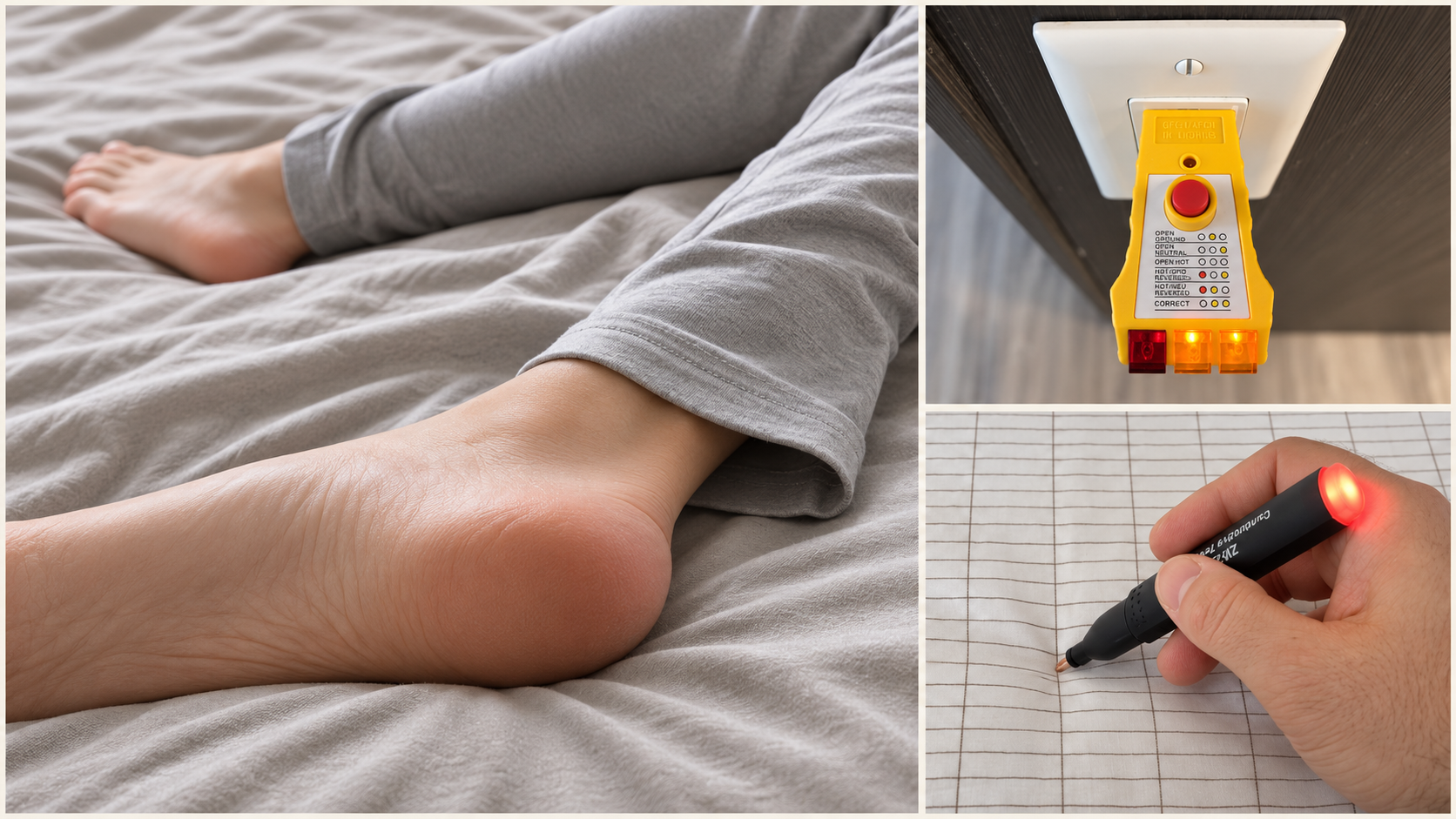
Bare skin gives you the most straightforward contact with the conductive surface. Socks and pajamas add a layer whose effect can vary with fabric, thickness, and moisture. If you normally wear them, check your usual setup rather than assuming contact is the same.
Do grounding mats last longer than grounding sheets?
There’s no universal lifespan comparison. A wipe-clean mat can avoid the laundering a sheet goes through, while a sheet may be easier to care for if you prefer washing your bedding. Compare the specific products’ care instructions and warranties, and check conductivity periodically using a compatible tester.
What’s the biggest downside of a grounding sheet?
A fitted grounding sheet has to fit your mattress and follow its own laundry instructions. If you like to rotate several sets of bedding or use a thick mattress topper, check how the sheet fits into that routine before buying.


Leave a Reply