
Quick Answer: How Often Should You Ground Yourself?
Most experts recommend grounding every day. For most people, 20-30 minutes of daily grounding is a great place to start, although sessions lasting 30-60 minutes are also commonly recommended. Current grounding research suggests that consistency matters more than duration, meaning grounding for 20 minutes every day is likely more beneficial than grounding for several hours only once per week. Some people also choose to sleep grounded overnight using grounding sheets as an easy way to make grounding part of their daily routine.
Grounding Duration At A Glance
There isn’t currently a universally accepted “perfect” amount of time to spend grounded each day. The most important factor appears to be consistency over time rather than achieving a specific number of minutes.
Key Takeaways About Grounding Frequency
- Grounding every day is ideal. Current grounding research suggests that consistency matters more than achieving a perfect amount of time.
- 20–30 minutes is a great place to start. This is one of the most commonly recommended daily grounding durations and is realistic for most people to maintain consistently.
- Longer grounding sessions may provide additional benefits. Many people enjoy grounding for 30–60 minutes or sleeping grounded overnight using grounding sheets or grounding mats.
- You don’t need to worry about being perfect. Missing a day of grounding isn’t something to stress about—building a sustainable daily routine is what matters most.
- Outdoor grounding remains our favorite approach. Walking barefoot on natural surfaces like grass, sand, or soil is one of the simplest ways to practice grounding.
- Grounding sheets make consistency easier. If finding time to ground every day is difficult, sleeping grounded may be one of the easiest ways to incorporate grounding into your daily routine.
How Often Should You Ground Yourself?
If you’re looking for a simple answer, grounding every day is ideal. Current grounding research doesn’t suggest that there’s one “perfect” amount of time to spend grounded each day. Instead, researchers and grounding practitioners consistently emphasize the importance of regular and consistent grounding practices.
For most people, we recommend starting with 20-30 minutes of grounding each day. Whether that’s walking barefoot outside, sitting in the grass while reading a book, or sleeping grounded using grounding sheets, consistency is likely more important than trying to achieve a specific amount of time.
The goal isn’t to ground perfectly… it’s to make grounding a sustainable part of your daily routine.
The AP Wellness Recommendation
If you’re new to grounding, we recommend:
- Grounding every day whenever possible.
- Starting with 20-30 minutes daily.
- Prioritizing consistency over perfection.
- Spending time grounding outdoors whenever you can.
- Using grounding sheets if maintaining a daily routine is difficult.
Remember, grounding doesn’t have to be complicated. Building a routine that works for your lifestyle is far more important than achieving a perfect amount of time every single day.
Can You Ground Too Much?
The short answer is probably not.
Current grounding research hasn’t identified a universally accepted “maximum” amount of time that someone should spend grounded each day. Rather than worrying about grounding for too long, most people will likely benefit more from focusing on consistency and building a sustainable daily routine.
While many grounding practitioners recommend 20–30 minutes of daily grounding, others enjoy longer sessions lasting 30–60 minutes or even sleeping grounded overnight using grounding sheets or grounding mats. The “right” amount of time will often depend on your lifestyle, preferences, and what feels realistic for you to maintain over time.
At AP Wellness, we believe the goal of grounding isn’t perfection—it’s consistency. Grounding for 20 minutes every day is likely more sustainable for most people than attempting several hours of grounding once or twice a week.
If you’re new to grounding, we recommend starting with a duration that comfortably fits into your daily routine and adjusting from there. Whether that’s walking barefoot outside for 20 minutes, spending time reading in the grass, or sleeping grounded overnight, consistency matters far more than chasing a perfect number of minutes.
Is Daily Grounding Better?
While there isn’t currently a universally accepted “perfect” grounding schedule, daily grounding is generally considered ideal. Current grounding research suggests that consistency plays an important role in establishing sustainable habits and may be more important than achieving a specific amount of time each day.
Think of grounding the same way you might think about walking, meditation, or exercise—small, consistent practices are often easier to maintain than occasional marathon sessions. Spending 20–30 minutes grounding every day is likely more realistic and sustainable for most people than attempting several hours of grounding only once or twice per week.
The good news is that daily grounding doesn’t have to be complicated. Walking barefoot outside while drinking your morning coffee, reading a book in the grass, or taking a short walk through your neighborhood park are all simple ways to make grounding part of your everyday routine.
If life gets busy, consistency doesn’t mean perfection. Missing a day of grounding isn’t something to worry about—the goal is simply to make grounding a sustainable habit over time rather than another source of stress.
The AP Wellness Recommendation
- Prioritize grounding every day whenever possible.
- Aim for consistency rather than perfection.
- Start with 20–30 minutes of daily grounding if you’re new to the practice.
- Don’t worry about missing an occasional day—focus on your long-term routine instead.
- Choose a grounding practice that’s realistic and sustainable for your lifestyle.
Remember: Twenty minutes of grounding every day is likely more beneficial than three hours of grounding that only happens once a month.
Can You Sleep Grounded Overnight?
Yes. Many people choose to sleep grounded overnight using grounding sheets or grounding mats as a convenient way to incorporate grounding into their daily routine. Sleeping grounded for 6–8 hours may also be one of the easiest ways to practice grounding consistently, particularly for those with busy schedules.
One of the biggest challenges people face when starting a grounding practice isn’t finding the “perfect” amount of time—it’s finding time at all. Sleeping grounded removes that obstacle by allowing grounding to become part of something you’re already doing every single day.
While walking barefoot outdoors remains our favorite way to practice grounding, grounding sheets provide a practical alternative when spending time outside isn’t always possible. Many people find that sleeping grounded is one of the most convenient ways to make grounding a sustainable long-term habit.
Current grounding research continues to evolve, and studies have explored the potential relationship between grounding and sleep quality, recovery, and overall well-being. While more research is needed in many areas, overnight grounding remains one of the most popular ways that people choose to incorporate grounding into their daily lives.
The AP Wellness Recommendation
- Walking barefoot outdoors remains our favorite way to practice grounding whenever possible.
- Sleeping grounded is one of the easiest ways to build consistency into your routine.
- Grounding sheets may be particularly helpful for individuals who struggle to find time to ground during the day.
- Focus on creating a grounding practice that feels sustainable rather than chasing a perfect amount of time.
If consistency matters most, sleeping grounded may be one of the simplest ways to make grounding part of your everyday routine.
What Does The Research Say About Grounding Frequency?
One of the most common questions people ask about grounding is whether there’s a “perfect” amount of time they should spend grounded each day. Surprisingly, current grounding research doesn’t provide a universally accepted answer. Studies have explored the potential relationship between grounding and factors such as sleep quality, cortisol regulation, inflammation, muscle recovery, and overall well-being, but researchers haven’t identified an exact number of minutes that everyone should aim for each day.
What the research does suggest is that consistency matters. Many grounding studies involve repeated or daily grounding practices rather than occasional or infrequent sessions. While researchers continue to investigate the optimal duration and frequency of grounding, establishing a sustainable routine appears to be one of the most practical approaches.
Several studies have explored the potential benefits of grounding, including:
- Sleep quality and recovery
- Cortisol regulation and stress response
- Muscle soreness and exercise recovery
- Blood viscosity and circulation
- Mood and overall well-being
- Inflammation and immune system responses
It’s important to note that grounding research is still evolving, and more large-scale studies are needed in many areas. Current research doesn’t tell us that grounding for 27 minutes is better than grounding for 18 minutes or that there’s one “perfect” amount of time for everyone. Instead, much of the existing research focuses on regular grounding practices and their potential relationship with various health outcomes over time.
Why Consistency Matters
Think about grounding the same way you might think about exercise, meditation, or spending time outdoors. The greatest benefits of these practices don’t typically come from doing them perfectly—they come from doing them consistently.
Grounding is no different. Spending 20–30 minutes grounding every day is likely to be more sustainable for most people than attempting several hours of grounding only occasionally. Whether you choose to walk barefoot outdoors, sit in the grass while reading a book, or sleep grounded overnight, the most important factor may simply be making grounding part of your everyday routine.
The AP Wellness Recommendation
Based on the current grounding research, we recommend focusing less on finding the “perfect” amount of grounding time and more on building a routine that realistically fits into your lifestyle.
- Prioritize daily grounding whenever possible.
- Aim for consistency over perfection.
- Start with 20–30 minutes each day if you’re new to grounding.
- Don’t worry about missing an occasional day.
- Choose a grounding practice that’s sustainable over the long term.
Remember: The goal of grounding isn’t perfection—it’s consistency.
Recommended Grounding Frequency
Based on scientific evidence and expert recommendations, here’s how often you should consider grounding yourself:
- Daily Grounding: Aim to ground yourself for at least 30 minutes each day. This can be done by walking barefoot on grass, sand, or soil, or by using grounding products indoors. Daily grounding helps maintain a steady balance of your body’s electrical energy and promotes consistent health benefits.
- Extended Sessions: For those dealing with chronic conditions or high levels of stress, longer grounding sessions may be beneficial. Spending an hour or more grounding each day can provide deeper relaxation, faster recovery from inflammation, and improved overall health.
- Nightly Grounding: Using grounding sheets while you sleep is an excellent way to incorporate grounding into your routine. This ensures you’re connected to the Earth’s energy for several hours each night, maximizing the benefits without extra effort during the day.
Practical Tips for Regular Grounding

To make grounding a consistent part of your routine, consider these practical tips:
- Incorporate Grounding into Daily Activities: Find ways to ground yourself during regular activities. Walk barefoot in your yard, stand on a grounding mat while working, or use grounding patches while watching TV.
- Create a Grounding Schedule: Set aside specific times each day for grounding. This could be a morning walk, an afternoon break on a grounding mat, or nightly use of grounding sheets.
- Combine with Other Healthy Habits: Pair grounding with other wellness practices, such as meditation, yoga, or mindfulness. This not only enhances the grounding benefits but also promotes a holistic approach to health.
Our Grounding Testing & Experience
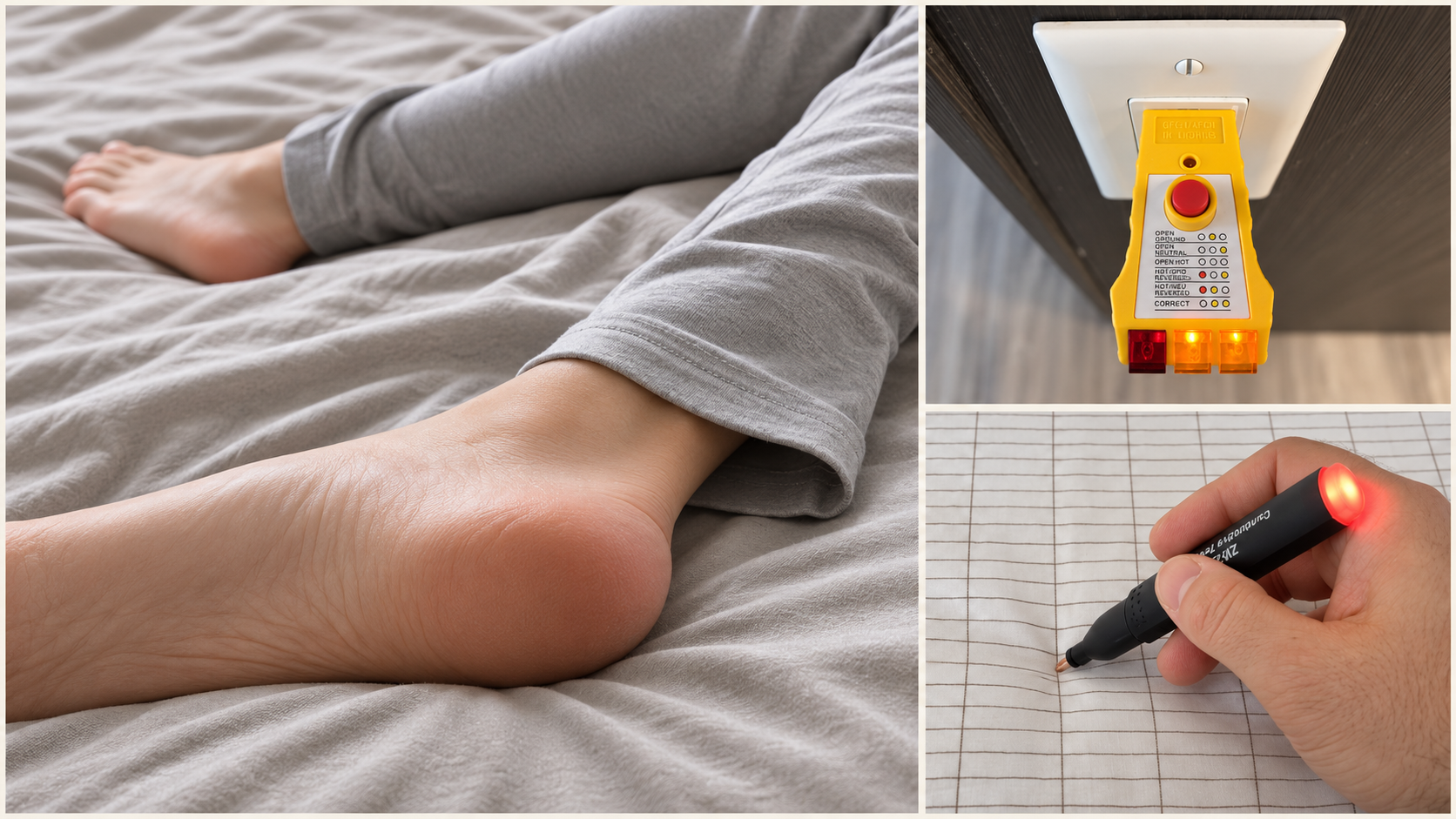
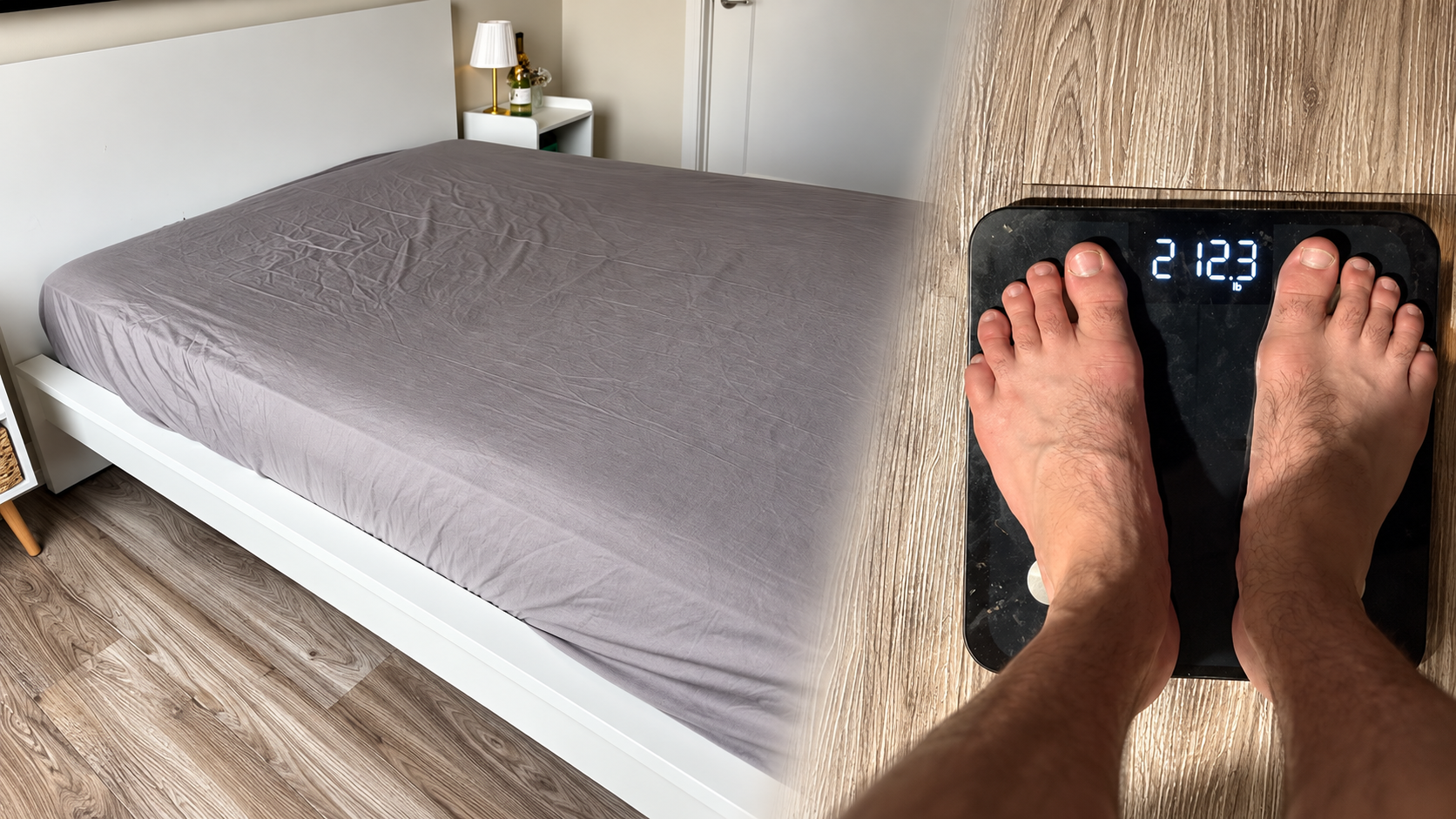
At AP Wellness, we’ve spent years researching grounding practices and testing grounding products ourselves. We’ve tested grounding sheets using body voltage measurements, outlet testers, multimeters, and conductive pen testing while experimenting with different grounding routines in our everyday lives.
One thing we’ve consistently learned is that grounding doesn’t need to be complicated. The most sustainable grounding practice isn’t necessarily the one that’s scientifically “perfect”—it’s the one you’ll actually do consistently.
Frequently Asked Questions
Get straightforward answers about grounding frequency, outdoor grounding, grounding sheets, and building a consistent routine.
Does concrete count as grounding?
Some concrete may allow grounding, particularly when it is unsealed, slightly damp, and in direct contact with the earth. Painted, coated, insulated, or elevated concrete is less likely to provide the same conductive connection.
For a more dependable outdoor grounding practice, choose natural surfaces such as grass, soil, sand, or unsealed concrete that directly contacts the ground.
Can you ground too much?
Research has not established a universally accepted maximum amount of grounding time. Some people ground for 20–30 minutes, while others use grounding sheets overnight.
Start with a comfortable amount of time and pay attention to how you feel. Grounding should support your routine rather than become another source of stress.
Can you ground multiple times per day?
Yes. You can divide grounding into several shorter sessions throughout the day. For example, you might spend 10 minutes barefoot outside in the morning and another 20 minutes outdoors later in the day.
The best schedule is one that fits naturally into your lifestyle and is easy to maintain consistently.
Can I ground through socks?
Bare skin provides the most direct contact with a conductive surface. Standard socks can reduce or interrupt conductivity, especially when they are thick, dry, or made from synthetic materials.
For outdoor grounding, bare feet are generally the simplest option. When using a grounding sheet, direct skin contact with part of the sheet is preferred.
Can I sleep grounded every night?
Many people choose to sleep grounded every night using a grounding sheet or mat. Overnight grounding can be a convenient way to make grounding part of an existing daily routine.
Before using an indoor grounding product, verify that the outlet is wired correctly, follow the product instructions, and regularly check the cord and conductive surface for damage.
What is the best time of day to ground?
There is no established best time of day to ground. Morning, afternoon, and evening sessions can all work. The best time is usually the one that you can incorporate into your routine consistently.
Some people prefer grounding in the morning as part of a calm start to the day, while others find evening grounding easier and more relaxing.
Do grounding sheets work?
A properly connected grounding sheet is designed to create a conductive connection between your body and the grounding port of a correctly wired electrical outlet. Its conductivity can be checked with appropriate testing equipment.
This confirms that the sheet is conductive and connected; it does not, by itself, prove a particular health outcome. Research into the health effects of grounding remains limited and is still developing.
Can children practice grounding?
Children can enjoy ordinary barefoot activities on safe natural surfaces, such as playing on grass or sand, with appropriate adult supervision.
Parents should check the area for sharp objects, unsafe temperatures, pesticides, insects, and other hazards. Speak with a pediatric healthcare professional before using grounding as part of a plan for a medical condition.
Can I ground indoors?
Indoor grounding products include grounding sheets and mats that connect to the grounding port of a properly wired outlet. They are commonly used when weather, location, or a busy schedule makes outdoor grounding inconvenient.
Always test the outlet first and follow the manufacturer’s setup and safety instructions. Never connect a grounding product to a live electrical terminal.
How long does grounding take to work?
There is no scientifically established timeline for when someone should notice an effect from grounding. Personal reports vary, and some people may not notice an obvious difference.
Rather than expecting an immediate result, consider starting with 20–30 minutes and evaluating your experience over time. Grounding should not replace evidence-based medical care or treatment.
Build grounding into the routine you already have.
AP Wellness grounding sheets are designed to make consistent overnight grounding simple, comfortable, and easy to test.
Wrapping It Up
So, how often should you ground yourself?
Daily grounding for at least 30 minutes is recommended for optimal benefits.
Consistent practice, whether through barefoot walks, grounding products, or nightly grounding sheets, can help maintain your body’s electrical balance, reduce inflammation, improve sleep, and boost overall well-being.
Embrace regular grounding, make it part of your daily routine, and enjoy the health benefits of staying connected to the Earth’s natural energy. Happy grounding!


Leave a Reply